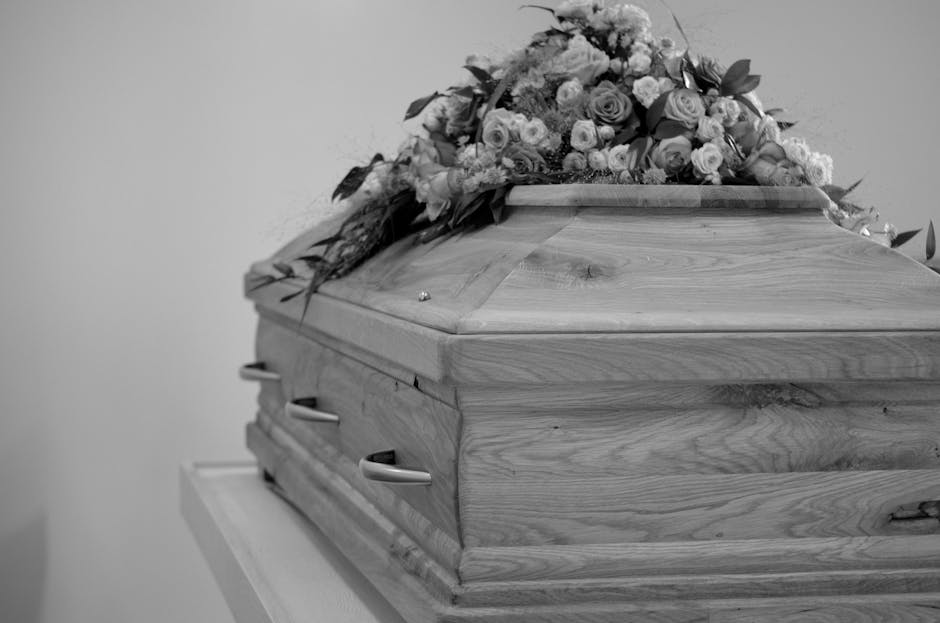
Permits and disposal rules for Harrow funeral flowers explained
Posted on 19/10/2026
If you are arranging funeral flowers in Harrow, there is a good chance you are already juggling a lot: the order of service, timings, family preferences, and the quiet worry that something small might go wrong. One of those small-but-important details is understanding Permits and disposal rules for Harrow funeral flowers explained clearly, so tributes are placed respectfully and removed or recycled properly afterwards.
In most cases, funeral flowers do not need anything dramatic or complicated. But permissions, venue rules, cemetery expectations, and sensible disposal all matter. A wreath left too long, a tribute placed where it should not be, or a collection arranged badly can create avoidable stress. This guide walks you through the practical side: what permits may be needed, how disposal usually works, what Harrow families should check, and how to keep everything dignified from start to finish.
We will also cover the everyday stuff people often forget. Who is responsible for removing flowers? What happens to cards and ribbon messages? Are there special rules for crematoria, cemeteries, churches, or memorial gardens? And yes, if you are ordering a tribute and want it to arrive in the right condition, the wider delivery and care details matter too. If you need a place to begin, it may help to look at funeral flowers in West Harrow and the guidance on delivery before you finalise the tribute.
Let's face it, this is not the part of a funeral arrangement that people talk about over tea. But it matters. A lot.
Table of Contents
- Why permits and disposal rules matter in Harrow
- How funeral flower permits and disposal usually work
- Key benefits and practical advantages
- Who this is for and when it makes sense
- Step-by-step guidance
- Expert tips for better results
- Common mistakes to avoid
- Tools, resources and recommendations
- Law, compliance, standards and best practice
- Options, methods and comparison table
- Case study or real-world example
- Practical checklist
- Conclusion
- Frequently asked questions
Why permits and disposal rules for Harrow funeral flowers explained matters
Funeral flowers are part of the ceremony, but they also become a practical issue the moment the service ends. Some tributes are intended for a chapel, some for a grave, some for a crematorium, and some for a home wake or memorial gathering. Each setting can have its own expectations about placement, collection, and waste removal. That is where permits and disposal rules come in.
In Harrow, as in much of London, the exact rules depend on the venue and the type of memorial location. A crematorium may ask that flowers are removed after a service window. A cemetery may restrict where a tribute can be placed, especially near a grave edge, pathway, or memorial stone. A churchyard can be more flexible in some moments and stricter in others. So the first rule is simple: do not assume every place handles flowers the same way.
This matters for three reasons. First, respect. A funeral is not the time for improvisation. Second, safety and cleanliness. Spent flowers, damp oasis foam, wire stems, and plastic wrap can create litter or hazards if they are left behind. Third, peace of mind. When the family knows what happens next, one less thing is hanging over everyone. And on such an emotional day, that little bit of order helps more than people expect.
Practical takeaway: treat funeral flowers as both a tribute and a site-specific arrangement. The beauty is in the moment, but the responsibility continues after the service.
To be fair, most problems are small and avoidable. The main issue is not bad intent; it is uncertainty. Someone thinks the florist will collect the flowers. Someone else assumes the venue will dispose of them. Then the roses are still there on Monday morning, looking sadly noble in the rain. Nobody wants that.
How permits and disposal rules for Harrow funeral flowers explained works
The phrase "permits" can sound more formal than the reality. In funeral flower arrangements, permits are usually about permission rather than paperwork in the legal sense. You may need approval to place tributes in certain areas, to use specific memorial spaces, or to leave items in a cemetery or crematorium after the service. The rules are often set by the venue, local authority site manager, or faith institution rather than by a florist.
Here is how it usually works in practice:
- Placement is agreed in advance. The family, funeral director, or celebrant confirms where flowers should go: altar, hearse, coffin top, graveside, memorial bench, chapel rail, or a designated tribute area.
- Venue rules are checked. Some locations allow all tributes to remain until later collection. Others want certain items removed immediately after the service. Sometimes only natural flowers are allowed, not plastic or fixed display items.
- The florist prepares the tribute appropriately. For example, a wreath, spray, posy, sheaf, or letter tribute may need different base materials, sizing, or handling. If the tribute is going to a cemetery or crematorium, the florist may build it to suit those conditions.
- Collection or disposal is planned. The family, funeral director, or venue decides whether flowers will be taken home, donated, composted, or disposed of by the site.
- Card messages and keepsakes are separated. These matter more than people think. Someone always asks, "Where did Auntie's note go?" Best to manage that properly from the beginning.
In many cases, there is no separate permit application that you, as a family member, need to submit. But you may still need permission from the venue to place or leave the flowers in a specific spot. That is the practical version of the rule, and it is the one that matters most on the day.
For example, if you are choosing a tribute for a service in West Harrow, it is sensible to pick a florist who understands funeral arrangements and local delivery timing. A dedicated page for funeral arrangements can help you see the tribute styles that are commonly used, while tribute designs are useful if you want a more personalised shape or message.
Key benefits and practical advantages
Getting permits and disposal guidance right does more than keep people happy. It makes the whole day smoother, and in funeral work, smooth is worth its weight in gold.
- Less stress for the family. No one has to chase down where the flowers should go or whether they can be left in place.
- Better respect for the venue. Churches, crematoria, cemeteries, and memorial spaces tend to appreciate tributes that follow their rules.
- Cleaner, safer surroundings. Proper disposal avoids stray ribbon, packaging, or stem waste after the service.
- More dignified presentation. Tributes that suit the site tend to look better and sit better in photographs too, which matters more than people admit.
- Less risk of last-minute disruption. If flowers are blocked from a location or removed unexpectedly, emotions can run high very quickly.
A quieter benefit is this: a clear plan makes the tribute feel intentional. A wreath delivered on time, a spray placed neatly, and a collection arranged without fuss all help the day feel cared for rather than chaotic. That is the thing, really. People notice calm.
If you are comparing tribute styles, it can also help to think about aftercare. A more robust arrangement may survive a longer service or graveside display. A lighter posy may be easier to move, share, or take home. If you want a tribute that feels balanced and traditional, look at sprays, wreaths, or baskets and posies depending on the setting.
Who this is for and when it makes sense
This guidance is for anyone arranging funeral flowers in Harrow or handling the practical side after a service. That includes family members, funeral directors, celebrants, venue coordinators, and sometimes friends who are helping behind the scenes because the immediate family has enough on their plate already.
You will benefit from understanding the rules if:
- you are booking funeral flowers for a crematorium or cemetery service;
- you are arranging a graveside tribute and are not sure where it can be placed;
- you want flowers delivered to a chapel, church, or service venue;
- you need to collect flowers after the ceremony and do not know who is responsible;
- you are worried about waste, recycling, or respectful disposal;
- you want to send a tribute but cannot attend in person.
It also makes sense if the funeral is taking place at short notice. In that situation, there is often less room to check every detail, so a florist with proper funeral experience can save time and reduce mistakes. A same-day option may be useful if timing is tight, especially when the service is fast approaching and family members are already under pressure. For those moments, same-day flower delivery in West Harrow can be a practical backup.
Truth be told, even people who have arranged flowers before can get caught out by funeral-specific rules. Weddings have their own logistics, yes, but funeral flowers have an entirely different rhythm. More formal. More sensitive. More room for accidental awkwardness if nobody checks the details.
Step-by-step guidance
If you want the simplest version of the process, here it is. Not glamorous, but it works.
- Confirm the venue. Find out whether the service is at a crematorium, cemetery, church, chapel, or private venue. Different places may have different rules for placing and removing flowers.
- Ask where the flowers should go. Do they belong on the coffin, at the front of the chapel, by the graveside, or in a designated tribute area? A short phone call can prevent a lot of grief, literally and practically.
- Check whether anything needs approval. Some sites require permission for larger displays, fixed lettering, or items near memorials. If there is any doubt, ask before ordering.
- Choose the right tribute style. Wreaths, sprays, cushions, hearts, crosses, posies, and letter tributes all sit differently and suit different locations. A wreath may work well for a service. A heaver-style tribute may suit a graveside or memorial placement.
- Confirm delivery time and access. There may be limited vehicle access, a narrow service window, or staff handover requirements. A florist used to local delivery will know the importance of timing.
- Decide what happens after the service. Will the flowers be taken home, shared among family, left with the grave, composted, or collected by the venue? Decide this early, not while everyone is standing by the car park in the drizzle.
- Save messages and keepsakes. Ask who collects the cards. If family members want ribbon messages, names, or keepsakes, sort that out before disposal begins.
A useful trick is to write down one contact name for the funeral director, one for the venue, and one for the florist. That way, if someone has a question on the day, there is a clear chain of communication. Small thing, big difference.
If you are still choosing the tribute itself, browse the more specific remembrance options such as sympathy flowers or a funeral card if you want the message to travel with the arrangement.
Expert tips for better results
After years of seeing what works and what creates stress, a few patterns stand out.
Match the tribute to the venue, not just the sentiment
A huge display can be beautiful, but if the venue has tight space or clear restrictions, it can become an issue. A more modest, well-made tribute often looks more elegant than something oversized and awkward. Sometimes less is better. Slightly annoying answer, but true.
Use natural materials where possible
Many venues prefer tributes that are easier to handle and dispose of responsibly. If floral foam, wire, or plastic packaging is used, make sure there is a plan for removal. Ask the florist what is included and what is recyclable or compostable.
Keep the card message separate from the waste
This one sounds obvious until you hear a family member say, "We think the note went with the box." Put a named envelope or separate card aside before the flowers are moved.
Ask about collection windows
Some sites will store flowers for a limited time after the service. Others will clear them quickly. If family or friends want to take flowers home, arrange who collects them and when.
Think about weather and timing
Late afternoon, a damp chapel entrance, or a windy cemetery can change how flowers behave. A well-packed tribute with sturdy blooms and secure bases is often the better choice if there is a long wait outdoors.
For seasonal planning, it can also help to choose flowers that cope well. Roses, chrysanthemums, lilies, carnations, and mixed sympathy designs are common because they travel and hold reasonably well. If you want something longer-lasting and robust, the selection at all flowers or luxury flowers may help you compare finishes and presentation.
Expert summary: the best funeral flower arrangement is not always the largest or most expensive. It is the one that fits the venue, arrives at the right time, and can be handled with dignity afterwards.
Common mistakes to avoid
A lot of flower-related problems happen because nobody wants to be the person who asks the awkward question. But that awkward question is often the exact one you need to ask.
- Assuming all venues have the same rules. They do not. Never rely on what happened at another funeral.
- Leaving disposal decisions until the end. This usually leads to confusion, especially if several family members think someone else is handling it.
- Ordering a tribute that is too large for the space. Beautiful in the shop, difficult at the venue. A classic mistake.
- Forgetting about collection after the service. Flowers are often left behind by accident, not choice.
- Mixing keepsakes with packaging waste. Cards, name cards, ribbon messages, and tributes need separate attention.
- Choosing materials that are hard to clear safely. Ribbon, wire frames, foam, and wraps can make disposal slower and less tidy.
- Not checking access or delivery timing. Funeral services are not forgiving of late arrivals. The room goes quiet, and nobody wants that kind of quiet.
A smaller mistake, but still common, is forgetting how weather affects the display. Heavy rain, bright sun, and a long wait in a warm car can all shorten the life of an arrangement. That is where practical floristry matters as much as design.
Tools, resources and recommendations
You do not need much to manage this well, but the right few things help a lot.
- Service details sheet. Keep the venue name, time, address, and contact person in one place.
- Tribute list. Write down which arrangement is going where: coffin spray, wreath, family tribute, graveside bouquet, or sympathy gift.
- Collection plan. Decide who will remove or collect flowers, and at what time.
- Message keeper. Use an envelope or folder for cards and ribbons.
- Florist care guidance. Basic care information can help flowers last longer before the service. If you are unsure, the site's flower care guidance is useful for simple handling tips.
- Policy and service pages. For practical details around ordering, timings, and expectations, it is sensible to review guarantees, returns and refund information, and terms and conditions.
Those pages are not about the emotional side, of course, but they do help with the practical side when you are trying to avoid last-minute surprises. And honestly, surprises are overrated on funeral day.
If you need a florist who can talk through the arrangement calmly and clearly, a local provider such as a West Harrow florist or the local flower shops in West Harrow can usually help with delivery timing and style choices.
Law, compliance, standards and best practice
There is no single universal rule that covers every funeral flower in every Harrow venue, so it is best to think in terms of venue policies, access rules, and respectful handling rather than a one-size-fits-all law. Cemeteries, crematoria, and places of worship may each set their own procedures for flowers, memorial items, and removal after the service.
The safest approach is straightforward:
- follow the venue's instructions;
- avoid blocking paths, graves, or exits;
- keep tributes stable and easy to move;
- remove waste materials responsibly;
- ask before leaving anything permanently.
Best practice also means considering sustainability where possible. That does not mean the tribute must be plain or stripped back. It simply means being sensible about packaging, foam use, and what happens after the flowers are no longer fresh. If composting or green disposal is available, that is usually preferable to sending everything to general waste. You will notice many families now prefer arrangements that can be shared or taken home rather than left to sit and decay. Quite understandably.
Some funeral venues have staff who tidy tributes after a service, while others place that responsibility on families or funeral directors. Never assume. Ask. It saves awkwardness later and keeps the process respectful.
Options, methods, or comparison table
There are a few common ways funeral flowers are handled after a service. The right choice depends on the venue, the family's wishes, and the condition of the tribute.
| Option | Best for | Advantages | Things to watch |
|---|---|---|---|
| Leave at the graveside | Burial services and memorial visits | Simple, respectful, visually fitting | Check whether the cemetery allows it and for how long |
| Collect and take home | Family members and close friends | Personal, comforting, easy to redistribute | Needs a clear collection plan and transport space |
| Share among mourners | Larger gatherings | Widely appreciated, emotionally supportive | Can be time-consuming without someone coordinating it |
| Compost or green dispose | Eco-conscious arrangements | Responsible, tidy, often preferred for natural materials | Only suitable if the tribute uses compostable components |
| Venue collection | Organised crematoria, chapels, or cemeteries | Convenient for families | Confirm storage time and who takes ownership |
There is no perfect option for everyone. In a small family gathering, taking the flowers home can feel right. In a larger service, sharing or leaving them at the memorial may be more appropriate. The best choice is usually the one that aligns with the setting and keeps the day calm.
Case study or real-world example
Here is a realistic example from an everyday Harrow-style arrangement, without the drama. A family ordered a white sympathy wreath and a matching spray for a funeral service in a local chapel. The wreath was meant to stay near the coffin during the service, then go with the family to the graveside, while the spray was to be collected later by siblings.
At first, the family assumed the chapel staff would keep everything together. The florist flagged that it would be better to label each tribute clearly and include a collection note. That turned out to be the right call. After the service, the wreath stayed with the family, the spray was collected by a cousin, and the condolence cards were placed in a folder before any waste was removed.
Nothing dramatic happened. Which is the point. The day stayed calm, there was no confusion, and nobody had to phone around asking where the messages had gone. The only slightly awkward moment was someone trying to carry two arrangements and a bag of sandwiches at the same time. Human beings, eh?
The lesson is simple: a few small decisions made in advance can prevent a lot of confusion later. That is true whether you are arranging something traditional like a wreath or something more personal like a letter tribute. If you want to see the range of tribute styles available, browse funeral flowers and funeral card options so you can match the tribute to the service.
Practical checklist
Use this before the service and again afterwards.
- Confirm the venue and exact service time.
- Ask where flowers should be placed.
- Check whether any permit or permission is needed for the tribute location.
- Confirm delivery instructions and access details.
- Choose a tribute style that suits the venue.
- Label arrangements if more than one is being delivered.
- Decide who collects flowers after the service.
- Separate condolence cards and ribbon messages from waste.
- Ask what materials can be left, taken, recycled, or composted.
- Keep a contact number for the florist, venue, and funeral director.
- Review any relevant service information before ordering.
Quick final reminder: if you are unsure about a venue rule, ask before the flowers are delivered. It is much easier to adjust early than to fix it on the day.
Conclusion
Understanding Permits and disposal rules for Harrow funeral flowers explained is really about one thing: making sure a heartfelt tribute stays respectful from the moment it arrives to the moment it is finally cleared away. Most of the time, the process is simple once you know who is responsible, where the flowers should go, and what happens afterwards. The trouble starts when those details are left vague.
So keep it practical. Check the venue. Confirm the tribute location. Decide on collection or disposal before the service. And choose flowers that suit both the sentiment and the setting. Done well, it removes friction from an already emotional day, and that matters more than people often say out loud.
If you need help choosing a suitable tribute or arranging a dependable local delivery, start with the funeral ranges and service details, then build from there. Calm planning now is a kindness to yourself later.
Get a free quote today and see how much you can save.
Frequently Asked Questions
Do funeral flowers in Harrow usually need a permit?
Usually not in the formal legal sense, but some venues do require permission for placement, size, or where the flowers are left after the service. The safest move is to check with the venue or funeral director before ordering.
Who is responsible for removing funeral flowers after the service?
That depends on the venue and the family's instructions. Sometimes the funeral director or venue staff handle it, sometimes the family does, and sometimes the florist can advise on collection. Never assume someone else has arranged it.
Can flowers be left at a grave in Harrow?
Often yes, but cemetery rules can vary. Some sites allow flowers to remain for a period, while others request removal after a set time. Ask the cemetery or burial ground before leaving tributes permanently.
What happens to funeral flowers after the service?
They may be taken home, shared among family and friends, left at the grave, composted, or disposed of by the venue depending on the arrangement. Card messages should usually be separated and kept.
Are there disposal rules for wreaths and sprays?
Yes, especially if they contain floral foam, wire, ribbon, or non-compostable materials. Natural flowers are easier to compost, while mixed-material tributes may need more careful disposal. Ask the florist what the arrangement contains.
Can I order funeral flowers for same-day delivery in Harrow?
In some cases, yes. Same-day delivery can be useful if timing is tight, but it depends on the order cut-off and availability. It is best to confirm early rather than assume it will be possible.
What is the best funeral flower type for a cemetery service?
That depends on the site and the family's preference, but wreaths, sprays, posies, and simple tribute arrangements are commonly used. A stable design that is easy to place and later collect is usually the most practical.
Can I use plastic or artificial flowers for a funeral tribute?
Some venues allow them, but many prefer natural flowers, especially for gravesides or crematorium settings. Artificial arrangements can also create disposal issues, so always check the venue's policy first.
How long do funeral flowers usually last?
That varies by flower type, handling, and weather. Fresh arrangements can look good for several days, but heat, sun, and transport conditions all affect longevity. Good care makes a real difference.
What should I do with condolence cards from the flowers?
Set them aside before any disposal happens. Cards and ribbon messages are often keepsakes, so it helps to collect them separately in an envelope or folder.
Is composting funeral flowers always possible?
Only if the arrangement uses compostable materials and the venue or family has a composting option. Foam, plastic wrap, and some wires may need to be removed first. A florist can often advise on this.
How do I choose the right tribute if I am not attending the funeral?
Pick something that suits the relationship and the venue, then include a clear card message. If you are unsure, a sympathy bouquet, wreath, or simple tribute is usually a respectful choice. Local delivery can take care of the rest.
Can a florist help with funeral flower delivery and timing?
Yes, and that is often the most helpful part. A local florist can usually advise on delivery windows, suitable tribute styles, and what to do if the venue has specific handling rules. It removes a lot of pressure from the day.